What is phono equalization (phono EQ)? — the EQ process essential to record playback
What is phono equalization? Why is it necessary?
Questions answered on this page: Why "equalization" is necessary for playing records, and how it works.
Physical limitations of record grooves
Records capture sound vibrations as minute undulations in the grooves (lateral in mono records; along the left and right groove walls in stereo records). Both formats share the same physical limitations.
Low frequencies: At the same volume level, the lower the frequency, the greater the amplitude of the groove's undulation. If low frequencies are recorded as-is, the grooves undulate too widely and come into contact with adjacent grooves, resulting in an extremely short recording time per side.
High frequencies: Conversely, in the high-frequency range, the groove amplitude becomes too small, causing the sound to be buried in surface noise.
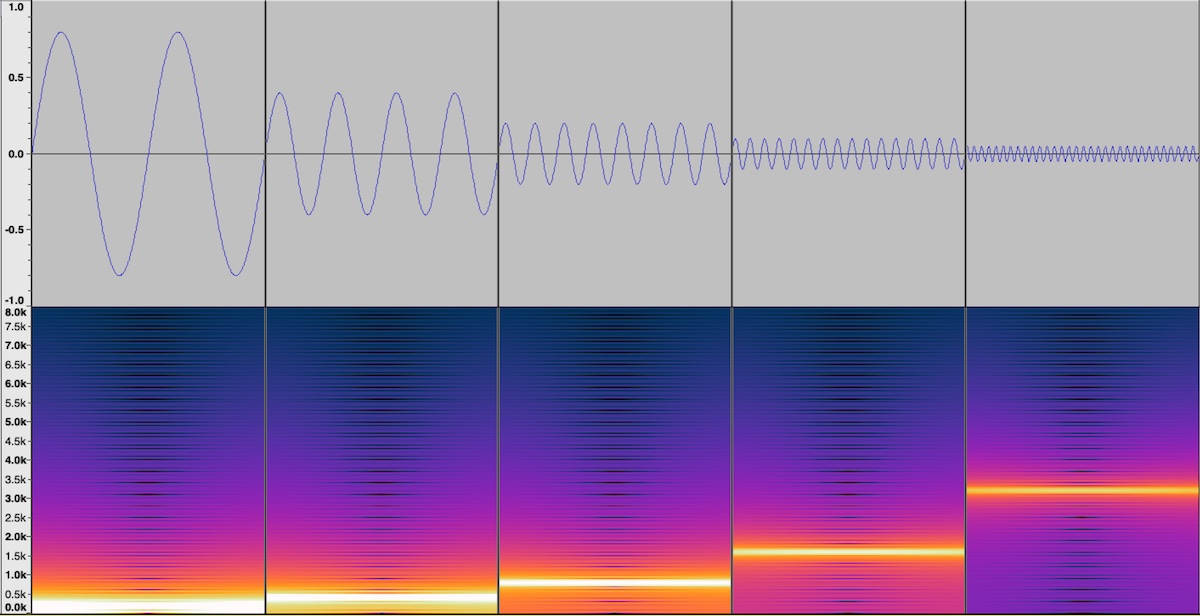
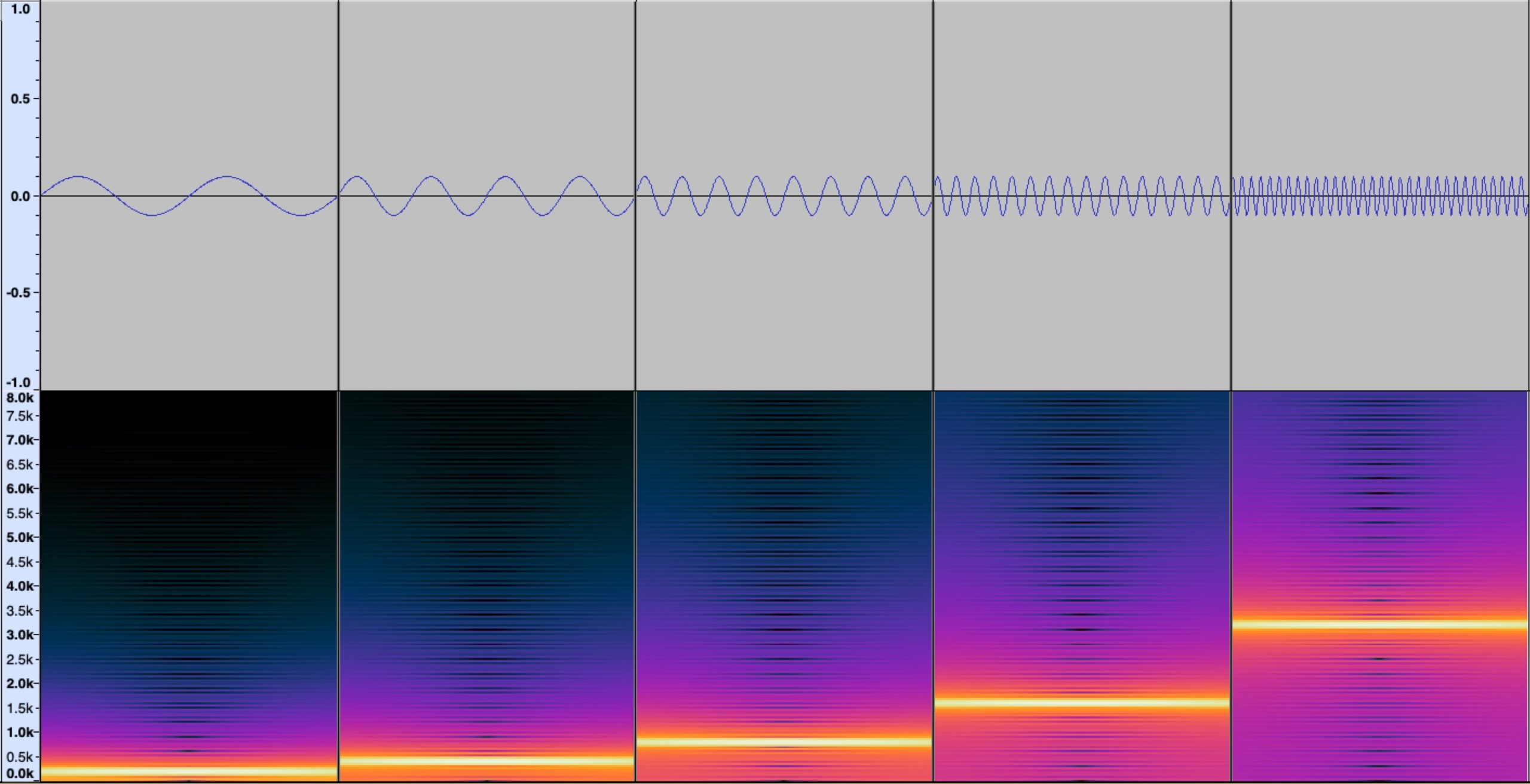
Solution: process during recording, restore during playback
To solve this problem, the following processing is performed during record production:
- Record with suppressed low frequencies → Reduce groove amplitude to secure recording time
- Record with emphasized high frequencies → Make the sound less likely to be buried by noise
During playback, the reverse operations are performed:
- Amplify the low frequencies to restore them
- Attenuate the high frequencies to restore them (this also reduces surface noise)
This combination of "processing during recording" and "reverse operations during playback" is known as phono equalization.
The same pairing was already described in similar terms in a 1956 consumer guide, The Saturday Review Home Book of Recorded Music and Sound Reproduction (Second Edition, 1956): Canby explained it as a mirror-image relationship, and Burke described the playback compensator as a device that distorts sound into the "exact negatives" of the distortions deliberately built into disks.
Why is it called a "curve"?
When you plot the amount of gain or attenuation for each frequency on a graph, it forms a curve. The shape of this curve defines the characteristics of the recording and playback. That is why it is called an "EQ curve" or "equalization curve."
The current standard: the RIAA curve
Currently, the standard EQ curve used on records worldwide is the RIAA curve. It was established in 1954 by the RIAA (Recording Industry Association of America), a US record industry trade association.
However, before the RIAA curve became the standard, there was a time when each label used its own unique curve. If you're interested in that history:
→ The History of Phono EQ Curves: In a Nutshell
Revision History
- April 19, 2026: Added note on the 1956 Saturday Review description
- April 14, 2026: Added figures
- April 8, 2026: Initial publication