
2015/12/13

How The Funk Was Won: The Simonger & Funk Story, Pt. 3

またまた長らくお待たせしました。今回の インタビュー Pt. 3 では、1988年〜1994年頃、しばらくバンド活動をお休みされていた時期です。ミュージシャンならずコレクターの皆さんもにやりとさせられるエピソードが満載です。まさかインタビューで「西新宿のコレクターズショップ」「レコード・コレクターズ」誌の話が出てくるとは思ってもいませんでした(笑)

例の連載インタビュー、パート2がアップされました。ボリュームあり過ぎる。

Posted by サイモンガー・モバイル on Wednesday, December 2, 2015

いよいよ第2弾いただきました〜! われわれの歴史を紐解いて頂く、スーパーロングインタビュー。 読み応えがありすぎます!是非とも。

Posted by ファンクラ大臣 on Monday, December 7, 2015

インタビュー パート0(ちびっこインタビュー編)、パート1(サイモンガーさんと大臣さんの小中学生時代〜初めて出会うまで)、そして長編となった パート2 (Extended Version)(豊橋・豊川での精力的なバンド活動編)ときました。

Continue reading
2015/11/18

How The Funk Was Won: The Simonger & Funk Story, Pt. 1

はやいもので インタビュー Pt. 0 (ちびっこインタビュー編) 公開から、はや1週間が経過してしまいました。

当該記事へのアクセスも非常に多く、いかに多くの方々が今回のインタビューに興味を持って下さっているかが分かり、身の引き締まる思いです。

さて、今回の Pt. 1 から、いよいよインタビュー本編へと突入します。とはいっても、サイモンガー&ファンク が登場するのは、まだまだ先です(今の予定では、Pt. 5 か Pt. 6 あたりになると思います 笑)。

Continue reading
2015/11/10

How The Funk Was Won: The Simonger & Funk Story, Pt. 0

きっかけは、あの大熱狂のライブ #SF20FD46 の興奮冷めやらぬ、2015年9月22日の夜、わたしのふとした思いつきからでした。

みなさんのご理解やご協力もあって、あれよあれよという間にはなしが具体化していき。

そして、2015年11月7日、私に負けないほど大ファンの娘と一緒に(笑)神奈川県某所へ赴き、伝説のバンド サイモンガー&ファンク の主要メンバーへのインタビューを行うことができました。

Continue reading
2014/09/29

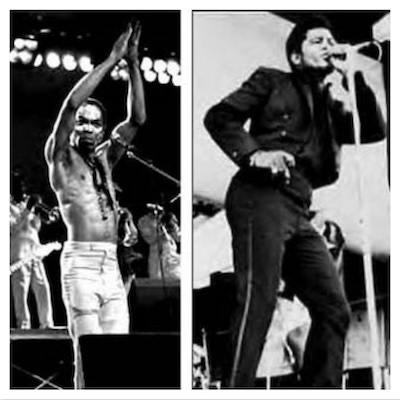
The Fela/James Brown Connection

本稿は、The Afrofunk Music Forum に 2006年に掲載された David McDavitt 氏の記事「The Fela/James Brown Connection」を、ご本人の許可を得て日本語翻訳したものです。

This article is a Japanese translation of 2006 article by Mr. David McDavitt, entitled “The Fela/James Brown Connection”. Presented here with David-san’s permission.


ミスター・ブラウンとオリジナル J.B.’s がナイジェリアはラゴスに赴いたのは1970年12月とされています。その一方で、それに先立つこと数ヶ月、1970年7月22日録音の「There Was A Time (I Got To Move)」や同年8月16日録音「I Got To Move」ではすでに、アフロビート的なアレンジの萌芽が感じられるのは興味深いところです。

Mr. Brown and his original J.B.’s toured Lagos, Nigeria in December 1970. On the other hand, prior to the Lagos one-nighter, Mr. Brown recorded “There Was A Time (I Got To Move)” (recorded on July 22, 1970) and “I Got To Move” (recorded on August 16, 1970) – both already shows an interesting sign of influence from Afro music.


The Fela / James Brown Connection
(by David McDavitt, published April 22, 2006. 原文 / original article)

Fela Kuti and James Brown

フェラ・クティ (Fela Kuti) のアフロビート、ジェームス・ブラウン (James Brown) のソウル。それぞれに信者がおり、かつ互いの音楽の素晴らしさをたたえ合ってきた。だが、依然として論争は続く — どっちがどっちをパクったのか?

Continue reading
2014/08/05

Get On Up: The James Brown Story (Original Motion Picture Soundtrack)

It’s a real pity – we can’t see the movie until next spring in Japan – get on up! All I can do so far is to listen to the Original Soundtrack album, watching the official trailers, seeking and reading the reviews online, etc…

日本では、来春公開予定とのこと。。。とても待ちきれません。サントラCDを聴いたり、予告編を観たり、オンラインでレビューを探して読みあさったりが関の山。

 
Continue reading
2013/12/11

R.I.P., Mr. Jim Hall, The Greatest Jazz Guitar Stylist In History

来年1月の来日を楽しみにされていた方は私だけではないはず。こんなにも早く、お別れになってしまうなんて。

最近は少し体調を崩されていたとのことですが、自宅ベッドで眠るように亡くなられたとのこと。。。

この訃報に接し、今朝は本当にショックで落ち込んでいます。私の心から崇拝するジャズミュージシャンがまた一人鬼籍に。。。どうぞ、本当に本当に、安らかにお眠り下さい。今まで余りにも素晴らしい演奏やアルバムをこの世に残して下さり、本当に感謝しています。


ジェームス・スタンリー・ホール、通称 ジム・ホール。1930年12月4日生、2013年12月10日没。

James Stanley Hall, a.k.a. Jim Hall, born December 4, 1930, died December 10, 2013.

 
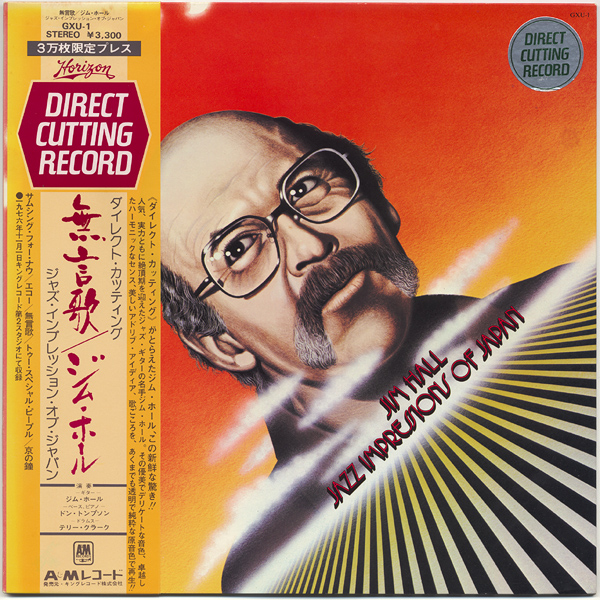
Jazz Impressions Of Japan / Jim Hall
(my best favourite Jim Hall album, “Jazz Impressions Of Japan”, 1976) (I wrote the blog entry on this album nine years ago)
2013/10/03

Tour Electric Mastering’s New Vintage Cutting Chain With Analog Legend Sean Davies

非常に興味深い映像を見つけました。1960年代に Decca でエンジニアとして勤務、現在では往年のアナログレコード全盛期に活躍したヴィンテージ機器(カッティングレース、カッティング時に使用するテープデッキ、真空管アンプなど)のメンテナンスを行っている、伝説のオーディオエンジニア、サム・デイヴィス (Sam Davies) 氏が実際にレストア・メンテナンスして、実際にLP復刻に使用している機材、Ortofon / Lyrec 1965年製カッティングマシン一式を紹介するものです。

I came across an very interesting video on the Internet – the living legend Sam Davies, who worked as an engineer at Decca in the 1960s and now doing restoration/maintenance of vintage studio equipments (cutting lathes, reel-to-reel playback tape machines, all vacuum tube amplifiers, etc), introduces his vintage cutting chain (by Ortofon/Lyrec, 1965) which he actually uses for reissuing vintage vinyl LP records.

Continue reading
2012/01/31

What the EP (Extended Playing) Originally Stands For

Google Books 上で The Billboard (米「ビルボード」誌)のバックナンバーが1942年のものからほぼ全て閲覧可能になっています。これにより、レーベル、レコード製造、アーティストの動向など、当時のレコード業界のさまざまな側面の歴史を調査するのが格段に楽になりました。これまでは、図書館のような施設で閲覧したり、目星をつけた号を古本屋やオンラインオークションで購入するしかなかったのですから、コンピュータ上でネットワーク越しに検索しながら目当ての記事を閲覧できるというのは、隔世の感があります。

Almost all back issues of The Billboard magazine (since 1942) is searchable and browsable on Google Books website. This enables us to do very convenient research through the web, on history of record labels, record production, artists and many other topics on record industries in the past. Previously we had to go to libaries to look for specific back issues, or we had to look for and buy them at second hand bookstores or at online auctions.

今回は、マイクログルーヴレコード黎明期の「コロンビア対RCAヴィクター」 「33 1/3 対 45」回転数競争あたりからはじめて、諸説入り乱れて解釈が分かれている「EP」というタームについて、過去の資料を探ってみましょう。Wikipedia 日本語版 では 33 1/3回転7インチ盤である、と書かれている EP盤ですが、それは 誤り で、あくまで45回転7インチ盤の一種である、ということがお分かり頂けるかと思います。

This time I am looking up some back issues, to what the term “EP” originally stood for – the term sometimes has been misunderstood (and there has been various opinions on it). So let’s get started with the old 1948 article on the “Speed Battle” – 33 1/3 v.s. 45, Columbia v.s. RCA Victor.

Continue reading
2012/01/25

A Few Facts About EmArcy Label, Pt.2

気がつくと 前回の前編 から5年以上もあいてしまいました。すんません。その後も幾人かの方に「続編をお願い」「本題を早く」とリクエストを受け続け(笑)、年明けから暇を見つけてこつこつ書きため、新たに調べ物を行い、今回やっと本題の中編を書き終わりました。

It’s already been over five years since I posted the first part of the EmArcy article (sorry still available in Japanese only) – sorry for that. Several people have contacted and asked me when would the next part available – this month I managed to have spare time to write it – part 2 of the EmArcy article – including further research on various things. And now it’s finally available public.


エマーシー (EmArcy) レーベルのシングル(16000番台)、10インチLP(26000番台)、12インチLP(36000番台)の オリジナル盤判定基準 について、長々と書いてみました。リリース開始時期の特定 や、新たに判明した プレス工場 の話なども書いています。とりあえず日本語版だけの公開です。こちら からどうぞ。

This part 2 (in Japanese only yet) features the release period of EmArcy titles, as well as checkpoints for identifying original issues of EmArcy 16000 (45/78 rpm), 26000 (10inch LP) and 36000 (12inch LP) series.


次回の後編では、EmArcy と関わりの深い傍系レーベル、ウィング (Wing) の話と、第1次 EmArcy 終焉の1959年以降のお話を書く予定です。

The following part 3 (last part) that I am going to start writing in the near future, will feature stories around the Wing subsidiary label, and the EmArcy brand after it became less active in 1959.


[early EmArcy logo]
2011/12/02

Roy DuNann, one of the greatest recording enginners

If you are into Jazz music, especially into the golden age of Modern Jazz, you should know the name of the engineer Roy DuNann, who did so many masterpiece recordings for Capitol and Contemporary in the 1940s, 1950s and thrugh the early 1960s.

ジャズ、特に全盛期のモダンジャズが大好きな方であれば、伝説の録音エンジニア ロイ・デュナン 氏の名前はもちろんご存知だと思います。最初はキャピトルレーベル(〜1956年)で、続いてコンテンポラリーレーベル(1956年〜1960年代前半)で、数えきれない程の名盤とうたわれる素晴らしいレコーディングに携わってこられた方です。

Continue reading